No one enters a deal expecting it to fall apart. Most parties genuinely hope for the best—performance, profit, and partnership. But as any seasoned litigator knows, contracts are tested not by how they perform under ideal conditions, but by how they hold up under stress. That is why prevention rather than perfection is the real goal of contract drafting.
The best contract drafters write with one eye on the future dispute that might happen and structure their documents so that if things go sideways, the outcome is predictable, enforceable, and efficient. Below, I discuss common drafting mistakes and how a little foresight can save years of unnecessary litigation.
Time: The Foundation of Performance (and Frustration)
Few provisions create as much litigation as ambiguous performance deadlines. “Reasonable time” might sound safe and flexible, but in practice, it is a litigation trigger. What is “reasonable” to one side rarely feels reasonable to the other.
Be clear about when performance starts, how long a party has to perform, and what happens if delays occur. If a project requires flexibility, build in contingencies—for instance, an automatic 30-day extension upon written notice of force majeure or supply chain issues. On the other hand, if the timing is critical (a closing date, delivery deadline, or year-end financial event), then state that “time is of the essence” and enforce it.
For practical purposes, a good contract should pair a performance schedule with a notice mechanism for extensions. That way, everyone knows when the clock starts, when it stops, and what happens if it doesn’t.
Defining Default: Clarity Before Conflict
Nothing accelerates litigation faster than a vague definition of default. A well-drafted contract defines not only what constitutes a breach but when it occurs and how it can be cured.
Consider whether a failure to make payment is an immediate default or if notice and a short cure period should apply. For other defaults—failure to maintain insurance, failure to provide reports, interference with performance—specify whether these trigger automatic remedies or additional notice obligations.
Every contract should clearly state:
- What acts (or omissions) constitute default.
- Whether notice and an opportunity to cure are required.
- How long the cure period lasts.
- Whether “repeated defaults,” even if timely cured, constitute a separate event of default.
Being explicit here prevents situations where parties disagree over whether default has occurred at all—which is where most breach-of-contract lawsuits begin.
Remedies: Designing for Enforcement, Not Just Deterrence
Even the most sophisticated contract loses its value if remedies are unclear or unenforceable. Every remedy provision should answer two questions: What relief is available? and who pays the costs of getting it?
Key points to consider:
- Specify primary and alternative remedies. Termination may not always be the best (or only) solution; sometimes specific performance or damages makes more sense.
- Use tiered remedies. Allow parties to escalate enforcement gradually instead of jumping straight to litigation.
- Draft liquidated damages clauses carefully. Florida courts scrutinize them closely—if the amount resembles a penalty rather than a true estimate of damages, the clause won’t hold up.
- Include attorney’s fees and costs provisions. Without them, enforcement can become economically impractical even when you’re right.
The goal is proportionality—remedies should fit the breach. A measured and enforceable remedy provision often encourages settlement before a lawsuit even starts.
Collateral: Turning Promises Into Security
Promises are only as reliable as the ability to enforce them. That’s where collateral and security instruments come in.
If the agreement involves significant financial exposure—whether it’s a loan, distribution agreement, or high-value asset purchase—consider some form of security:
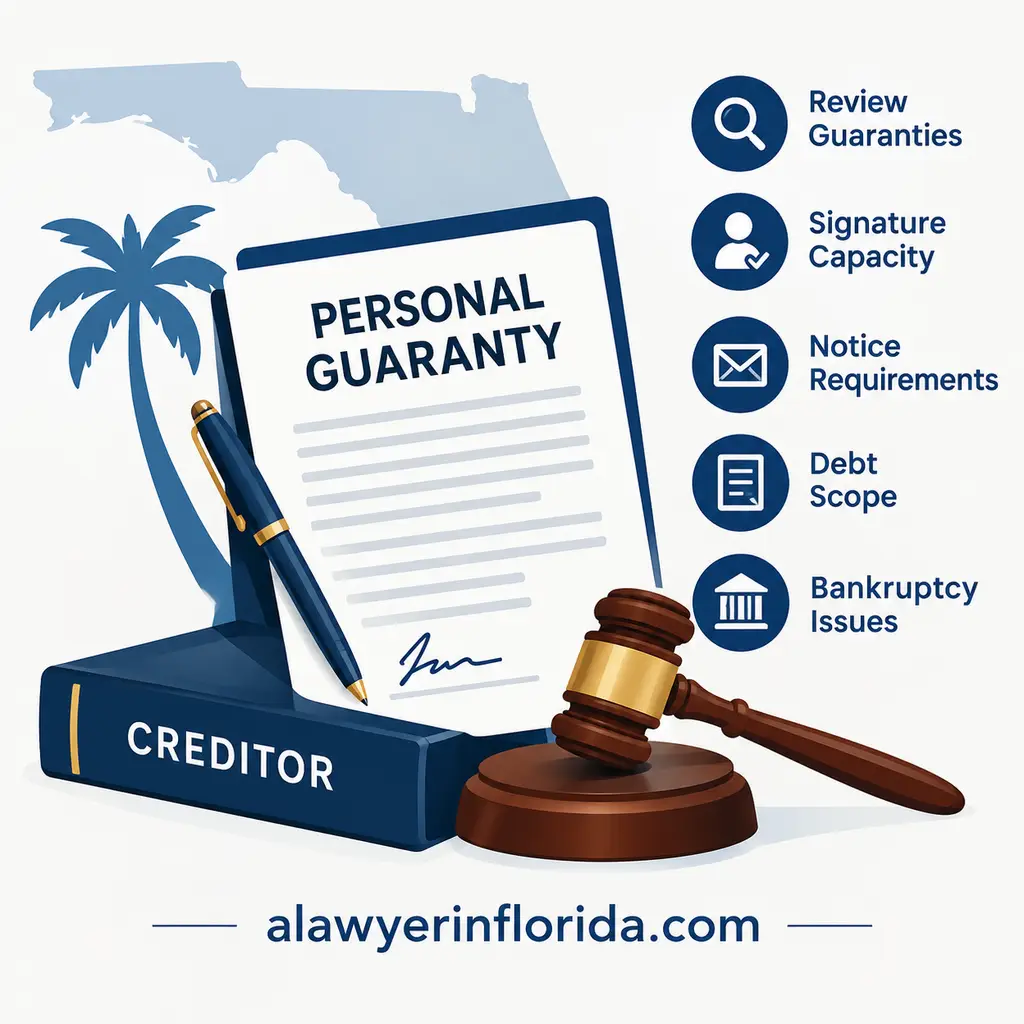
- Guaranties, backed by individuals or parent entities.
- Liens or UCC filings on movable assets.
- Escrow arrangements for staged performance or payments.
Common mistakes include vague collateral descriptions, failure to perfect a security interest, or omitting notice provisions for enforcement. The result? A creditor discovering too late that their collateral is not actually enforceable. Collateral doesn’t just protect recovery—it strengthens negotiation leverage long before litigation becomes necessary.
Integration and Definitions: Make the Contract Speak One Language
Precision in defined terms is one of the easiest—and most overlooked—ways to prevent disputes. Inconsistent terminology (for example, using “Effective Date” in one section and “Commencement Date” in another without defining both) can undo an otherwise solid agreement.
Review every defined term for cross-references, capitalization, and consistent use. Also, do not forget:
- Integration clauses to prevent oral modifications or side promises.
- Amendment requirements (e.g., “no amendment shall be valid unless signed by both parties”).
- Numbering and cross-references, especially when incorporating exhibits or schedules.
Every contract should read as a single, self-contained document—not a set of loosely related promises.
Putting It Together: The Contract as a Preventive Tool
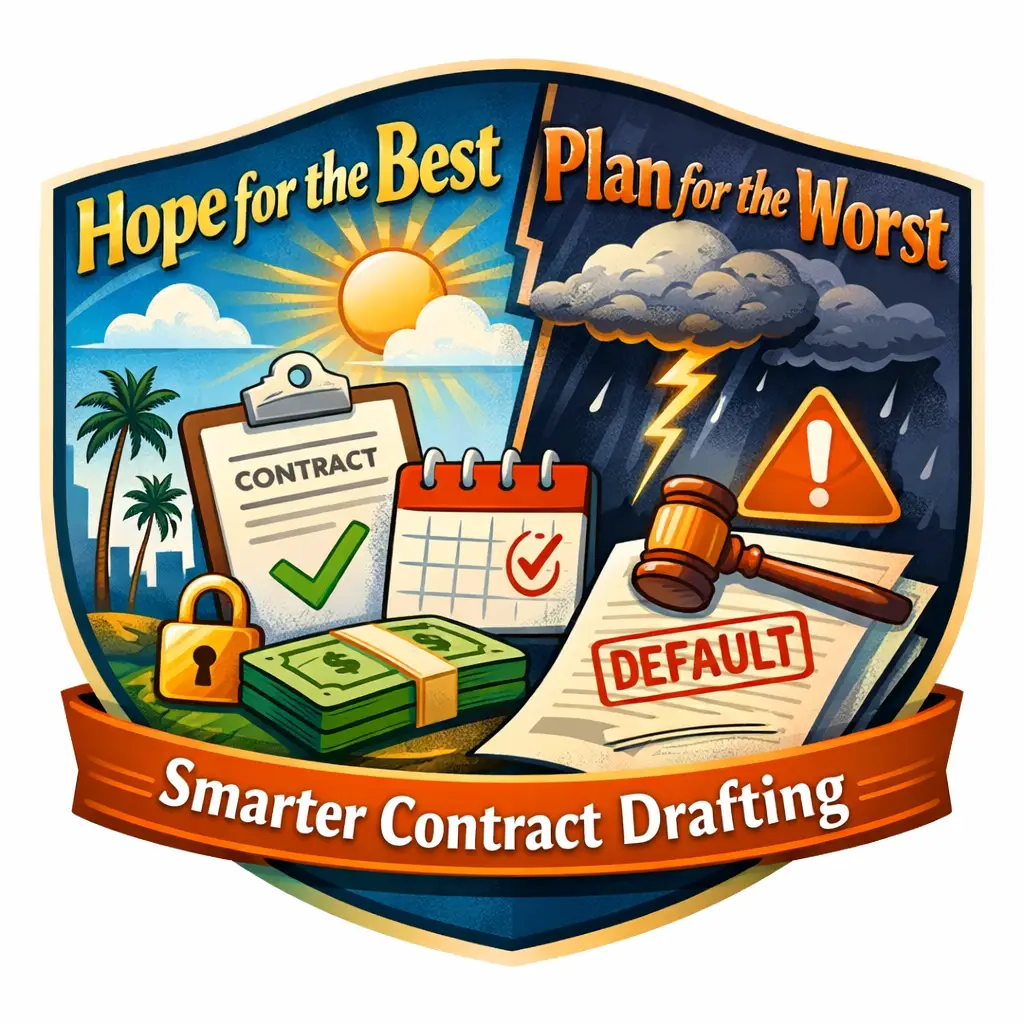
The best contract drafting combines optimism with realism. Hoping for success is natural; preparing for failure is professional.
A well-drafted agreement makes breach scenarios predictable, default events unambiguous, and remedies proportional. It ensures that if a dispute arises, it can often be resolved through negotiation rather than litigated in court.
In short: hope for the best, but plan for the worst. The time invested in careful drafting today is often what prevents the phone call to your litigation counsel tomorrow.
Practical Takeaway
If you are unsure how your existing contracts would hold up under stress, consider reviewing them for ambiguous deadlines, undefined defaults, or outdated remedy provisions. A short preventive review now can save years of litigation later.
Contract review presents a great opportunity for litigation counsel to expand the services rendered to a client to handle form document drafting and transactional work.
Discover more from A Lawyer In Florida
Subscribe to get the latest posts sent to your email.