Few qualities distinguish exceptional trial lawyers and hearing advocates more clearly than their approach to preparation. Every experienced litigator has observed someone attempt to “wing it” in court—perhaps confident, even persuasive, but ultimately exposed when a difficult question arises or a ruling goes sideways.
The difference between merely surviving and truly excelling in litigation rarely turns on fast thinking alone. It rests on disciplined preparation that enables adaptability when the unexpected inevitably occurs.
Preparation as the Foundation of Mastery
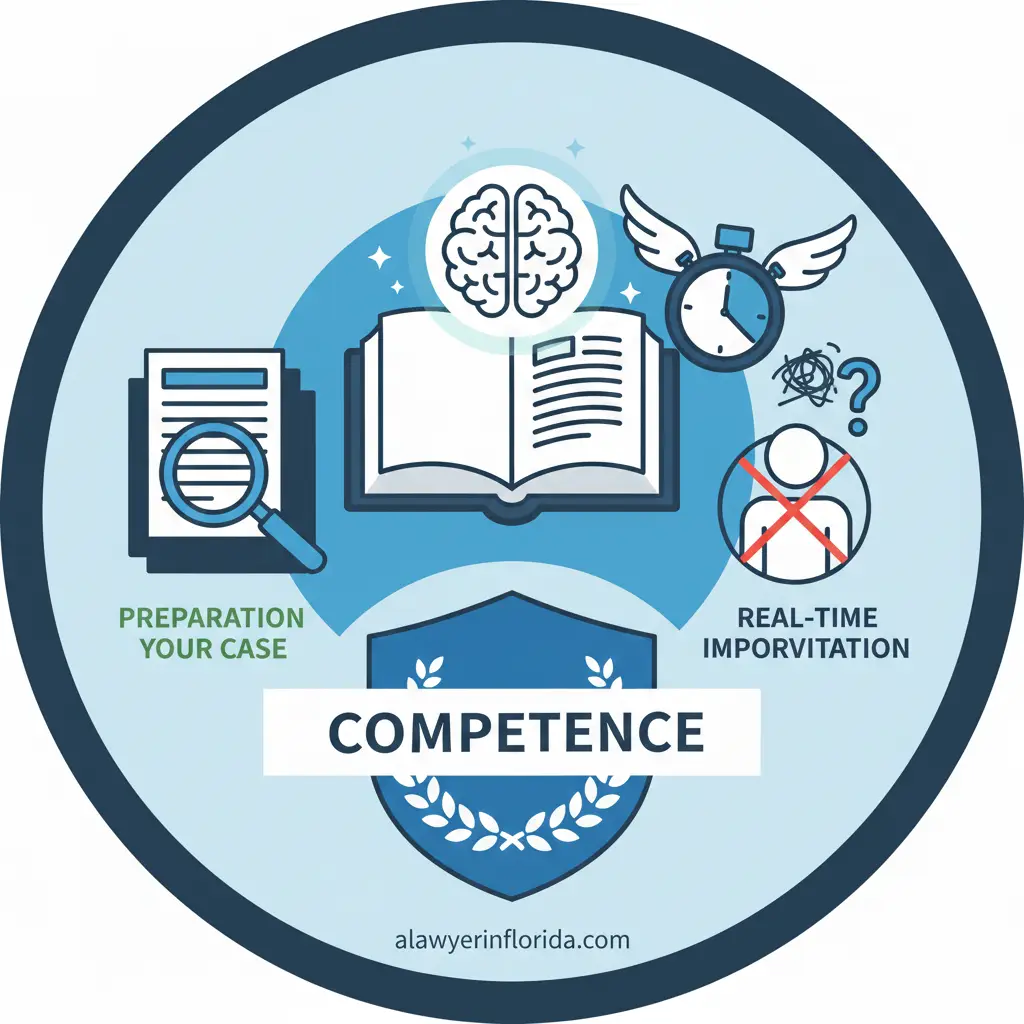
Trial and hearing preparation demands far more than reviewing exhibits or drafting outlines. It requires an advocate to internalize the entire case—the facts, the law, the procedural posture, and the interpersonal dynamics among parties—until they can navigate the matter with fluency from any perspective. That degree of mastery allows counsel to anticipate not only what is likely to happen, but also what may happen.
When an advocate knows the record intimately, the rules of evidence cease to feel like obstacles and begin to serve as instruments of persuasion. When the facts and themes are so well understood that they can be articulated instinctively, surprises can be confronted with clarity rather than hesitation. True preparation does not remove uncertainty, but it fortifies the advocate against it.
The Art of Improvisation, Built on Preparation
Improvisation in the courtroom is not improvisation in the theatrical sense. It is disciplined agility—a capacity to adapt within structure, guided by preparation. The advocate who pivots effectively under pressure does not rely on fortune or charm, but on deep knowledge of the material and respect for the process.
Think of it as jazz rather than free verse. A skilled musician improvises within a framework; a capable lawyer adjusts strategy within the boundaries of evidentiary law, ethics, and professional credibility. Whether responding to an unexpected ruling, reframing a theme after a key witness, or adapting tone to the judge’s reaction, effective improvisation only succeeds when it is grounded in mastery of the record.
Why “Winging It” Is a Professional Liability
The temptation to “play it by ear” often grows from overconfidence or time pressure, but both are perilous. Unpreparedness is not merely inefficient—it is professionally risky. Judges recognize it, clients remember it, and opposing counsel will exploit it.
Moreover, every lawyer’s ethical obligations demand competence and candor. An advocate cannot represent a client in good faith without a complete understanding of the factual record and applicable law. There is no room in effective advocacy for guessing, speculating, or fabricating. Only preparation permits honest, strategic, and well-grounded responses when new issues arise mid-hearing.
The Professional Dividend
Preparation yields dividends that extend beyond any single case. Judges respect counsel who approach hearings with command of the record. Clients place trust in advocates who can anticipate obstacles before they materialize. Within a litigation team, thorough preparation fosters collaboration, sound judgment, and professional confidence.
Ultimately, preparation provides the mental discipline and composure necessary to adapt thoughtfully, not react impulsively. It equips advocates to navigate uncertainty with integrity and poise—the difference between a professional advocate and merely a persuasive speaker.
Further Guidance on Professional Competence
For additional guidance on professional competence, you may find these resources useful:
- ABA Model Rule 1.1 – Competence
- New York Rule 1.1 – Competence (22 NYCRR 1200.1.1)
- Florida Rule 4-1.1 – Competence (Rules Regulating The Florida Bar)
Discover more from A Lawyer In Florida
Subscribe to get the latest posts sent to your email.