

Federal Equity Receiverships and the Creditor’s Search for Recovery
Explore federal equity receiverships, Rule 66, multistate asset recovery, receiver appointment orders, and funding risks for creditors.

When a Florida Creditor Should Consider a Receiver After Default
Learn when Florida creditors may seek receivership under the UCREA, enforce assignment-of-rents liens, and recover corporate assets after judgment.
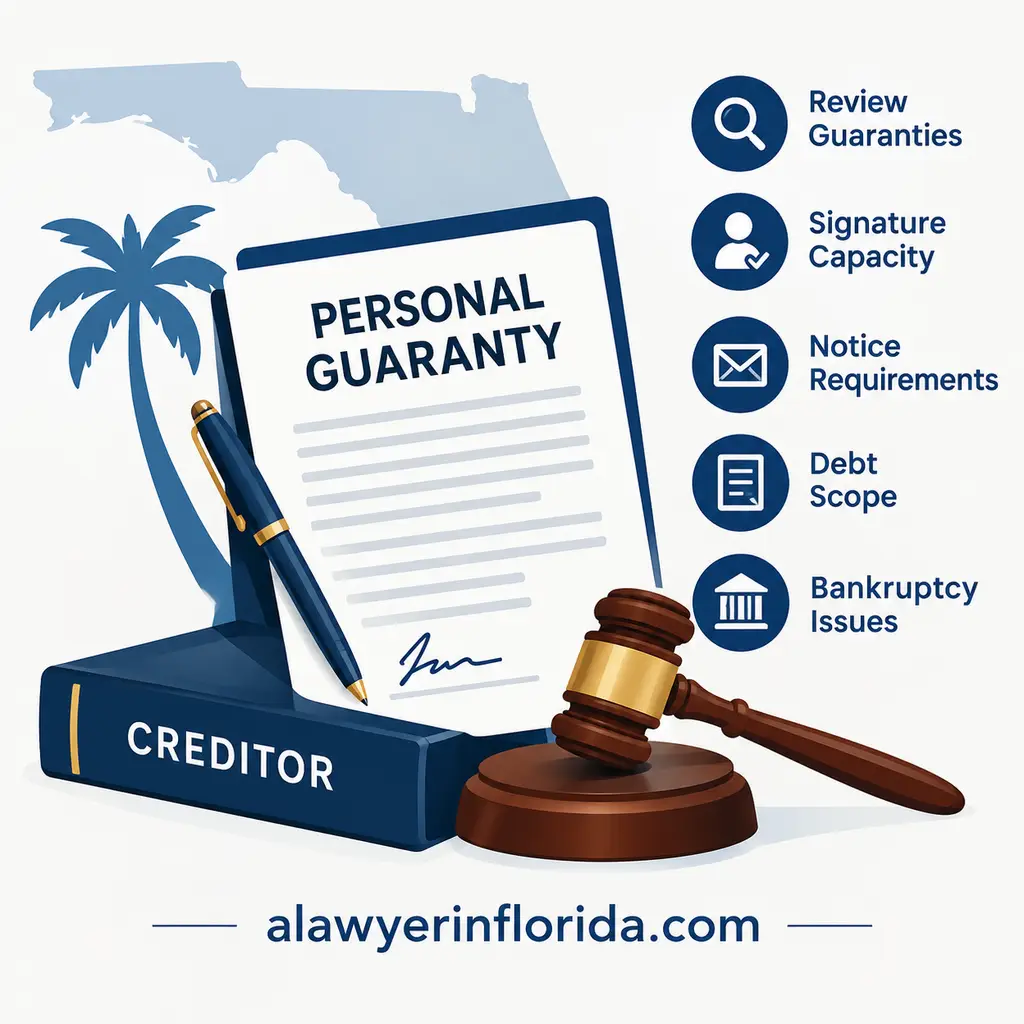
Personal Guaranties After a Business Default: Read the Guaranty Before You Sue
Florida creditors should review personal guaranties, signature capacity, notice requirements, debt scope, and bankruptcy issues before suing a guarantor.

Before Filing Suit: What a Florida Creditor Should Review After a Business Default
Florida business creditors should review UCC filings, default-notice requirements, proof of mailing, and acceleration rights before filing a commercial collection lawsuit.
Spirit Airlines’ Data Sale: Finding Value in Unconventional Bankruptcy Assets
When a company enters bankruptcy, attention typically focuses on familiar assets: real estate, equipment, inventory, intellectual property and...
Florida’s Insurance Disclosure Demand: A Useful Pre-Suit Tool
Learn what happens when a Florida insurer fails to respond to a proper insurance disclosure request under Florida Statute § 627.4137, including settlement, bad-faith, discovery, and sanctions issues.
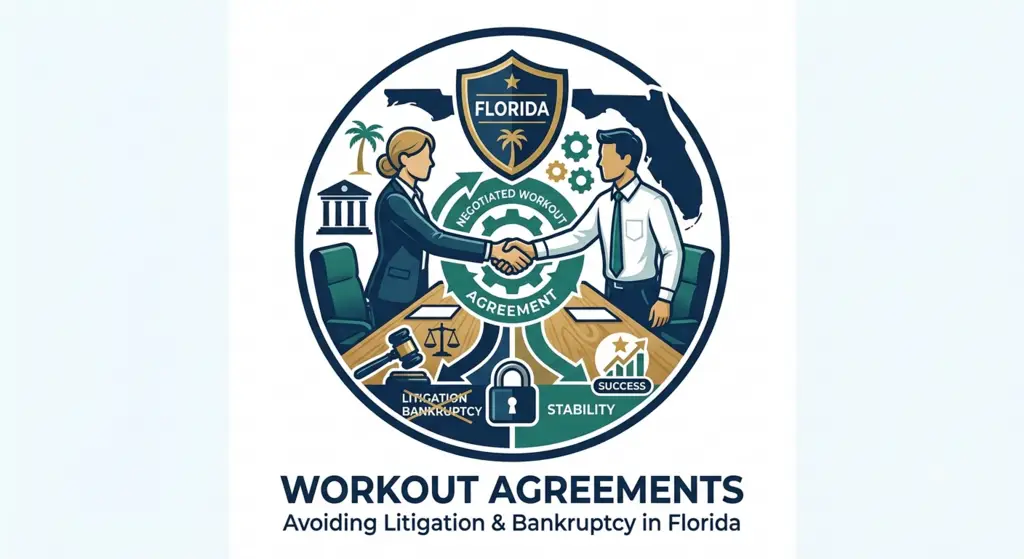
Workout Agreements in the Real World: When Negotiation Beats Litigation
Workout agreements can help Florida businesses avoid immediate litigation or bankruptcy. Learn when a negotiated workout makes sense and when a formal insolvency proceeding may be the better choice.
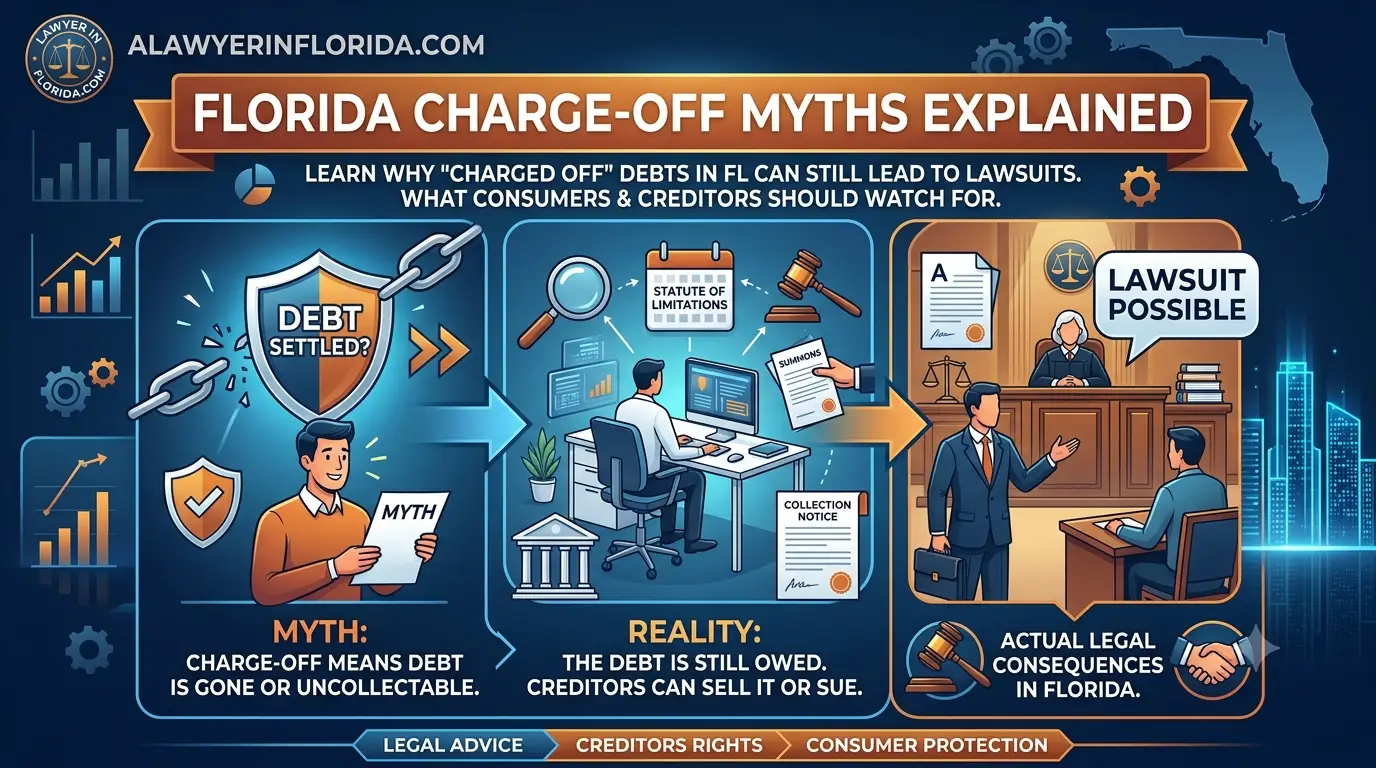
Florida Charge-Off Myths: Why You Can Still Be Sued
Florida charge-off myths explained. Learn why “charged off” debts in Florida can still lead to lawsuits, and what creditors and consumers should watch for.
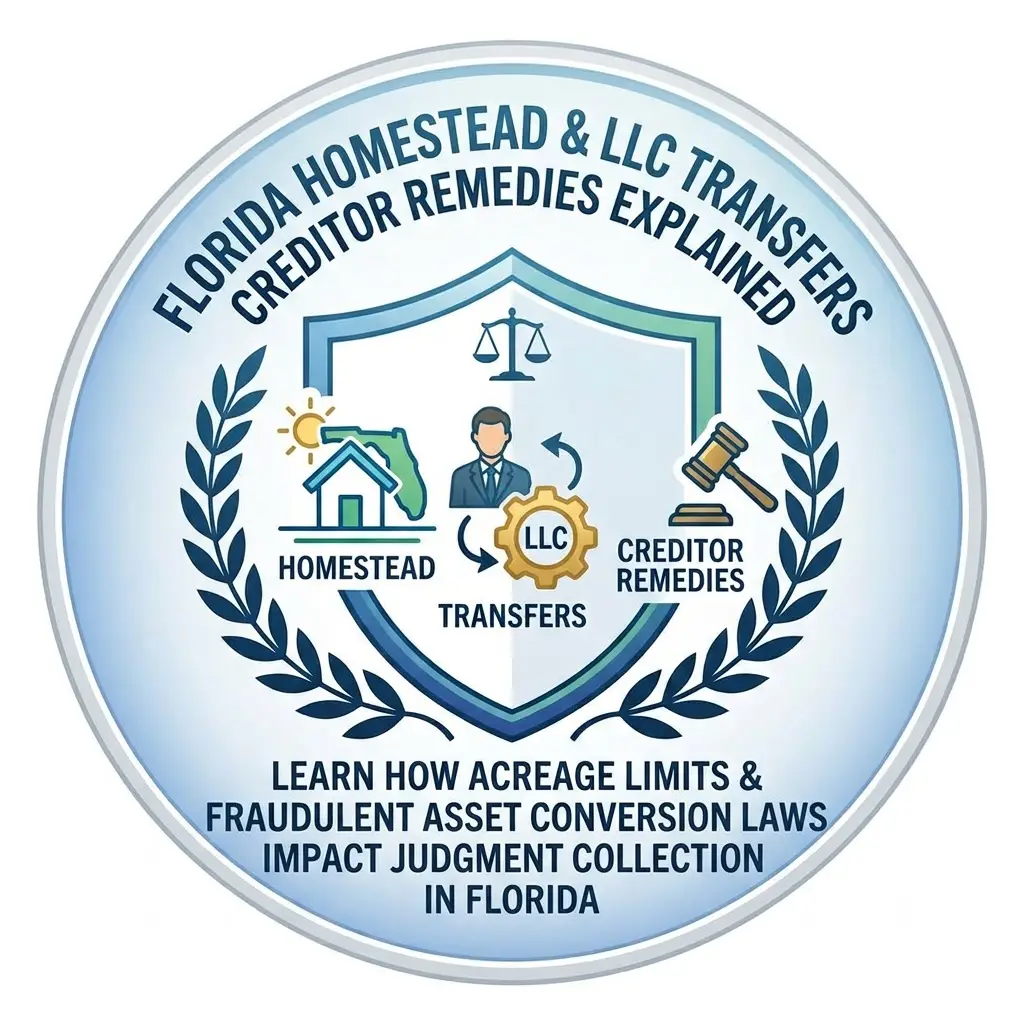
Florida Homestead, Acreage Limits, and the LLC Trap
Florida homestead, LLC transfers, and creditor remedies explained. Learn how acreage limits and fraudulent asset conversion laws impact judgment collection in Florida.
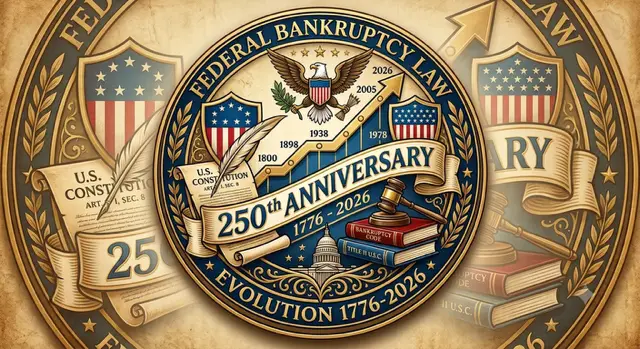
From Colonial Debt to Modern Insolvency: How American Bankruptcy Law Evolved Over 250 Years
As the United States turns 250, this article traces how American bankruptcy law evolved from the Acts of 1800, 1841, and 1867 to the modern Code and Subchapter V.
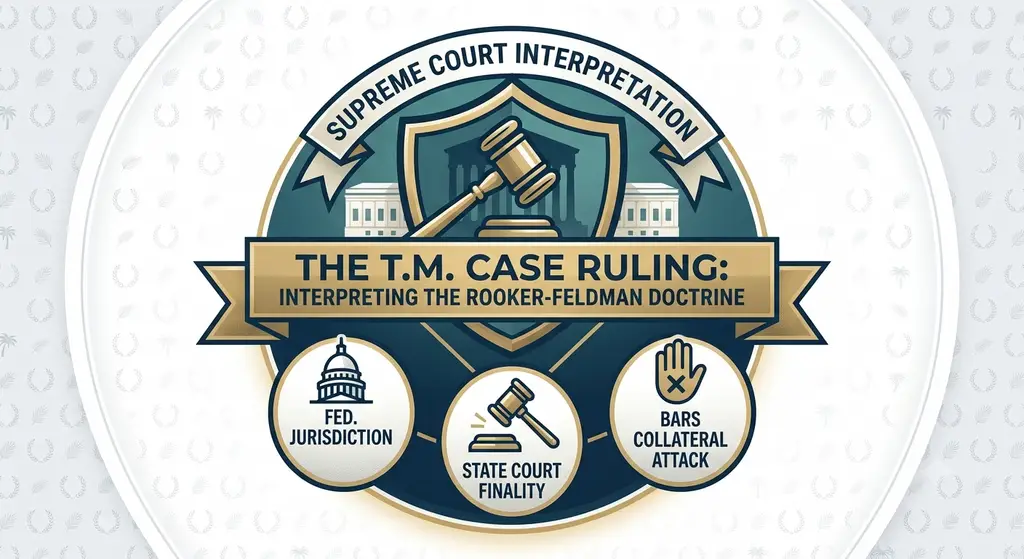
Rooker-Feldman After T.M.: The Supreme Court Clarifies a Jurisdictional Rule That Matters in Florida Federal and Bankruptcy Courts
Analyzes the Supreme Court’s T.M. ruling on Rooker-Feldman, its alignment with Exxon, Nicholson, and Behr, and its impact on Florida bankruptcy and foreclosure litigation strategy.
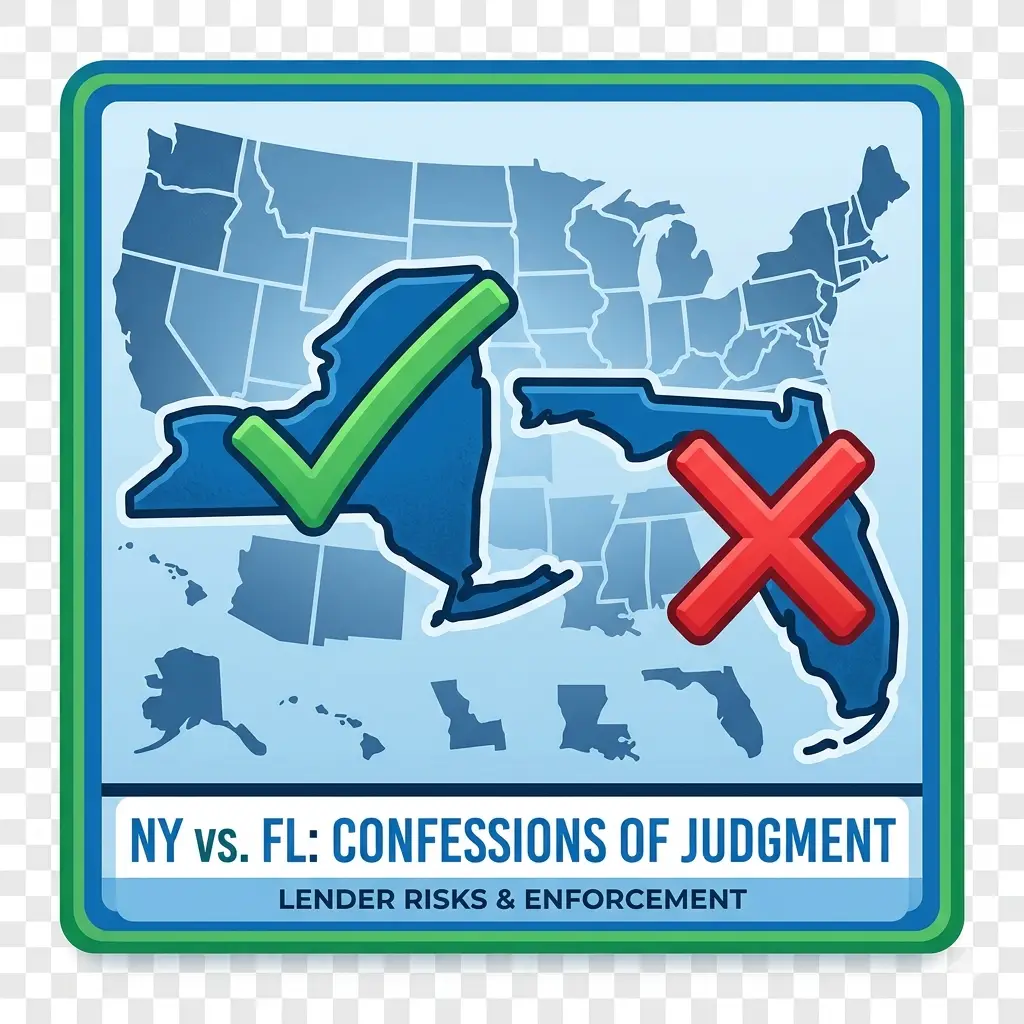
Confessions of Judgment: Useful in New York, Void in Florida, and Still Worth Understanding
Confessions of judgment in NY vs. Florida: risks, workarounds, and enforcement strategies for lenders and business debtors, from a Florida commercial litigation attorney.