

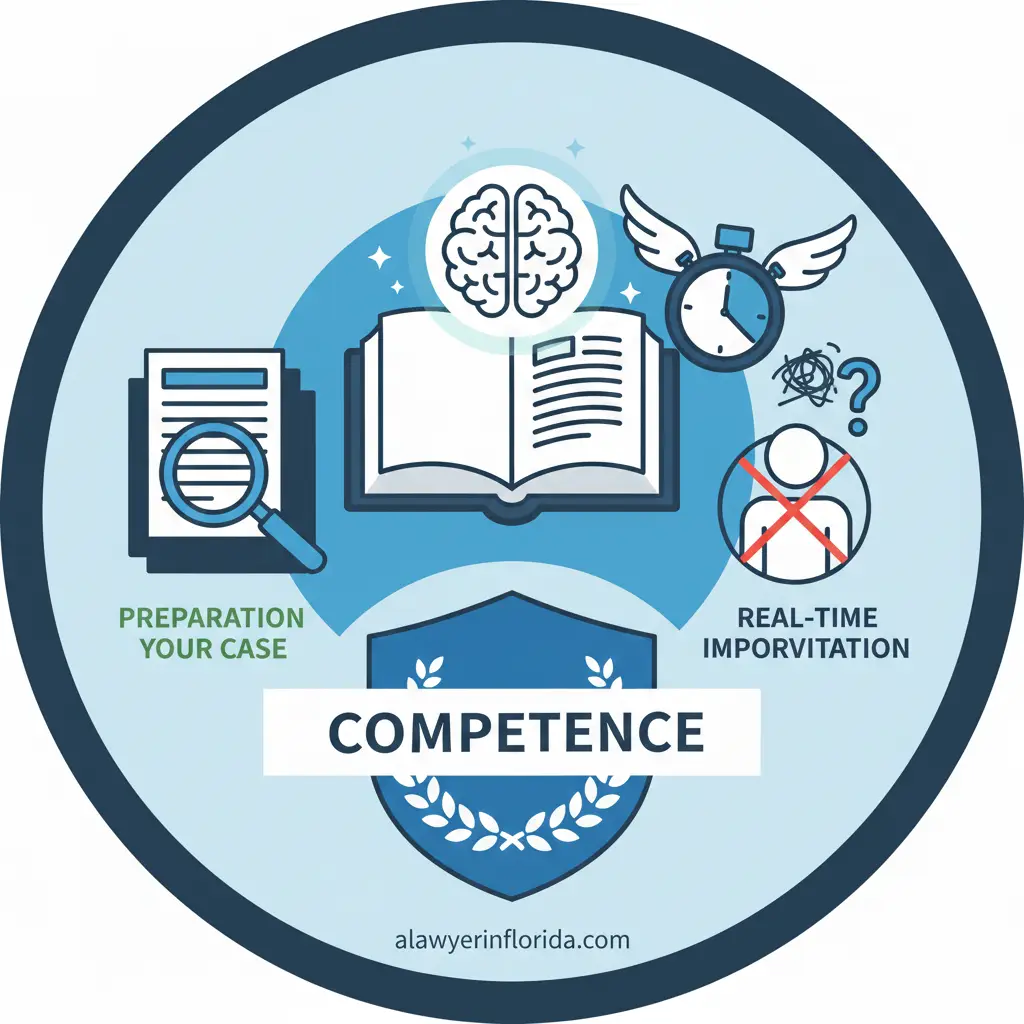
The Case for Preparation: Why Real Advocates Do Not “Wing It”
Effective advocacy begins with preparation. Learn why mastering your case empowers real-time improvisation and why “winging it” is never a substitute for competence.
Protecting Your Right to Get Paid: A Creditors’ Rights Guide for Small Business Owners
Learn how small business owners can protect their right to get paid by understanding creditor rights, avoiding common documentation mistakes, and using clear written contracts for every customer relationship.
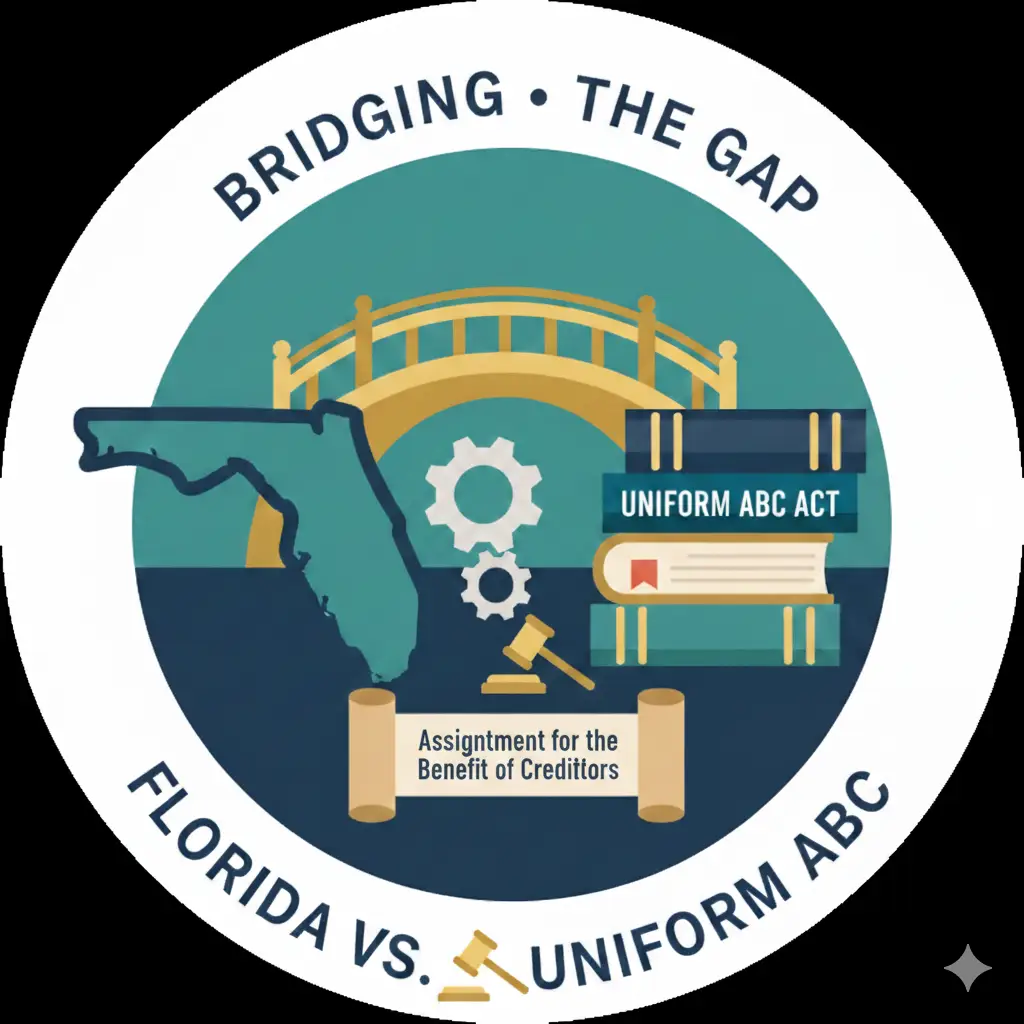
Bridging the Gap: Florida’s Assignment for the Benefit of Creditors vs. the New Uniform ABC Act
Explore how Florida’s robust ABC practice under Chapter 727 compares to the new Uniform ABC Act and what growing national uniformity means for creditors.
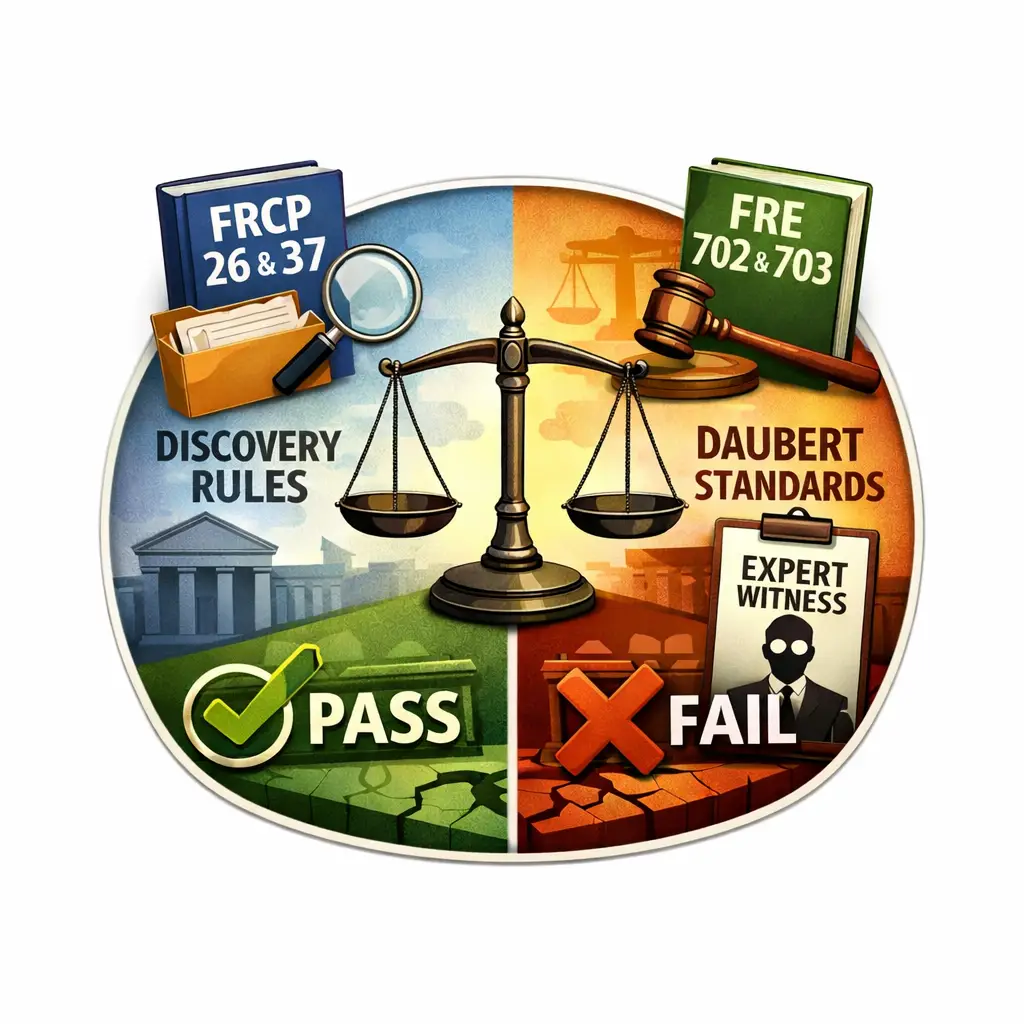
Two Gates to the Stand: How Civil Discovery Rules and Evidence Rules Can Make or Break Your Expert
Learn how FRCP 26 and 37 differ from FRE 702 and 703, and how discovery rules and Daubert admissibility standards can make or break expert testimony at trial.

Level Up Your Boolean Searches: 10 Power Moves for 2026
Level up your Boolean searches in 2026 with 10 advanced power moves. Learn operators, templates, and AI‑assisted strings to get laser‑targeted results.
Hope for the Best, But Plan for the Worst: Avoiding Common Drafting Mistakes That Lead to Litigation
Hope for the best, but plan for the worst with smarter contract drafting. Learn how clear deadlines, default definitions, remedies, and collateral can help Florida businesses avoid costly litigation.
Own the Record: Why Trial Attorneys Must Lead on Jury Instructions and Pretrial Statements
This article highlights the crucial role of instructions and pretrial statements in trial advocacy, emphasizing that effective litigation relies on not just courtroom arguments but meticulous document preparation. It explains that joint pretrial statements and well-drafted jury instructions deliver strategic advantages, safeguard the official court record, and signal professional competence that judges expect from experienced litigators.

When a Click Becomes Contact: Social Media Jury Research and the Alston & Bird Sanction
Examines how lawyers use social media in jury selection, the Alston & Bird LinkedIn sanction, and key ethical rules that limit online juror research.
Understanding Florida’s Private Trial Resolution Statute
Learn how Florida’s private trial resolution process offers a faster, efficient alternative to traditional court litigation for commercial, family, and civil disputes while preserving due process.
10 Things No One Told You About Being a Lawyer
Think you know what it’s really like to be a lawyer? Think again. Law school fills our heads with...
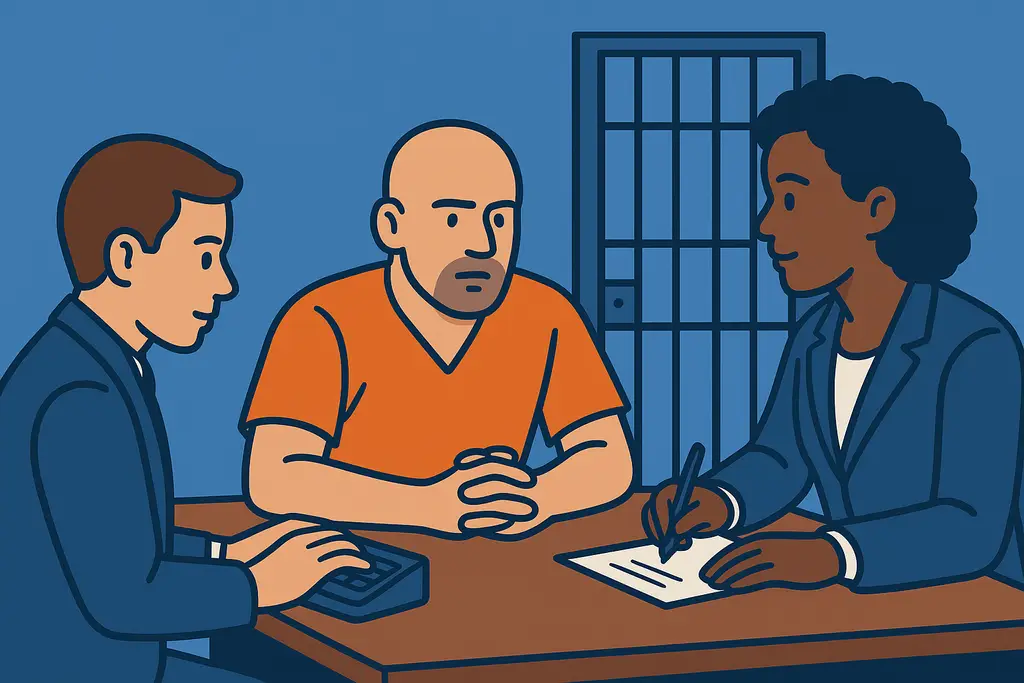
Preserving Crucial Testimony: The Role of Depositions De Bene Esse in Business Fraud and Ponzi Litigation
Discover how de bene esse depositions preserve crucial trial testimony in complex business fraud and Ponzi schemes. Explore their legal origins, federal and state recognition, and real-world case examples from Florida and beyond.
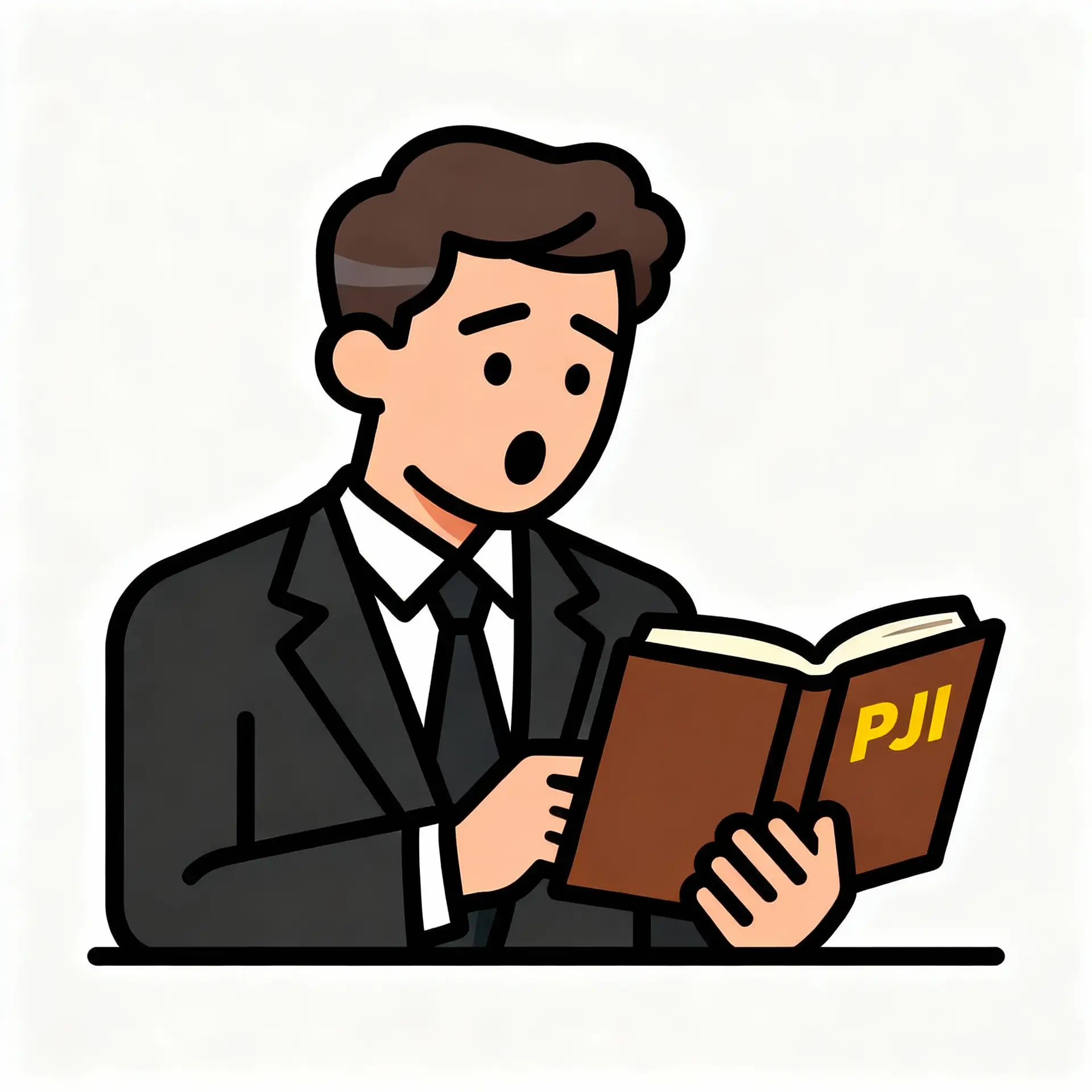
The Importance of Pattern Jury Instructions for New Attorneys
For attorneys early in their careers, mastering the fundamentals of litigation requires understanding not just substantive law, but...